





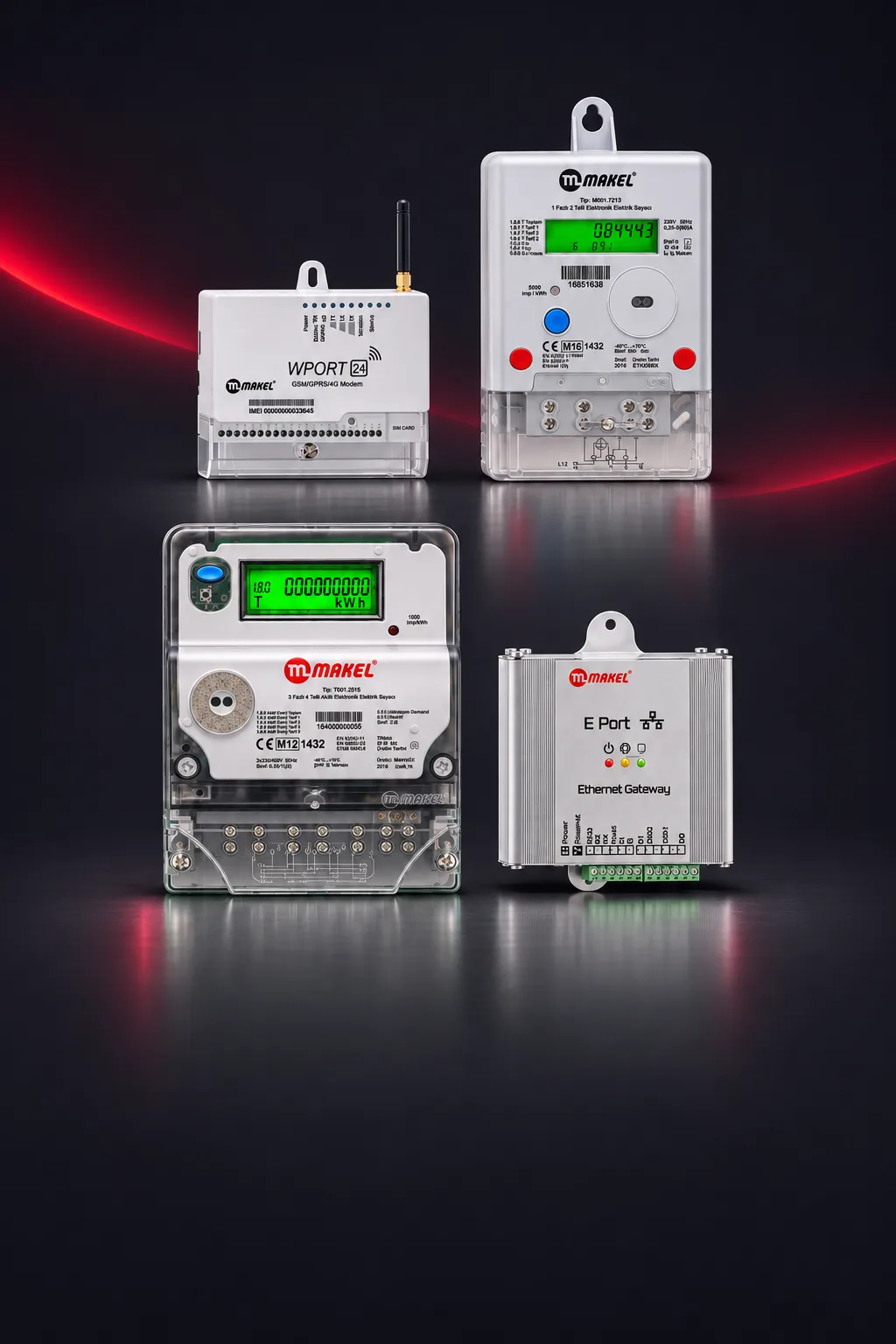
Measure Energy Accurately. Manage Data Centrally.

MAKEL METERING SOLUTIONS

Measure Energy Accurately. Manage Data Centrally.

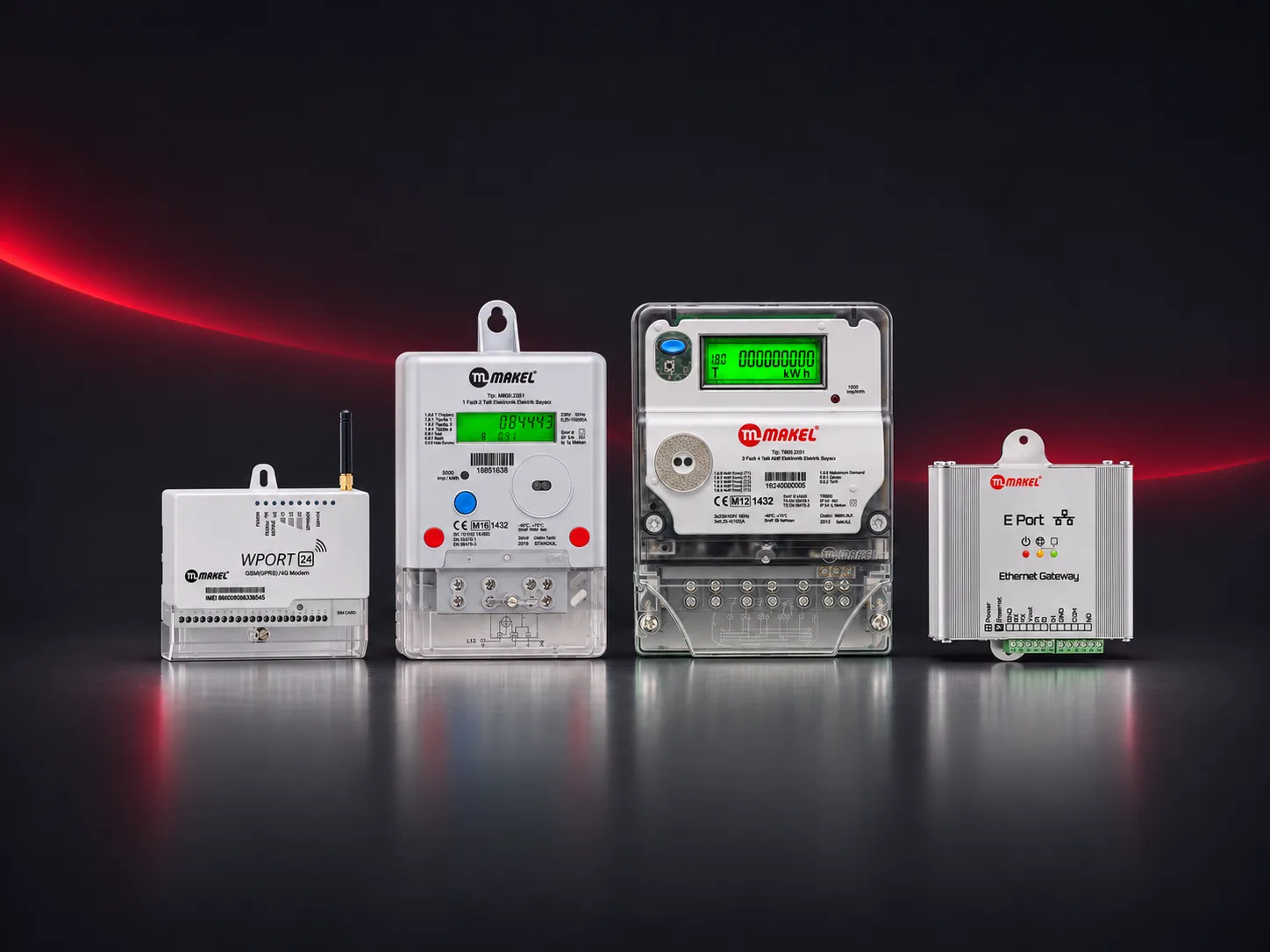
Bring single-phase, three-phase and industrial meters together with Wport24, E Port, Optus and USOBIM in one metering, communication and automation architecture.

01

Accurate and Reliable Metering

Reliable consumption measurement from residential sites to industrial facilities with Makel single-phase, three-phase and combi meters.

02

Flexible Communication

Local or remote data access through optical port, RS485, Ethernet and 2G–4G communication options.

03

Central Meter Automation

Scheduled or on-demand reading, reporting, alarms and remote control on compatible infrastructures with USOBIM.

ELECTRONIC METER FAMILIES

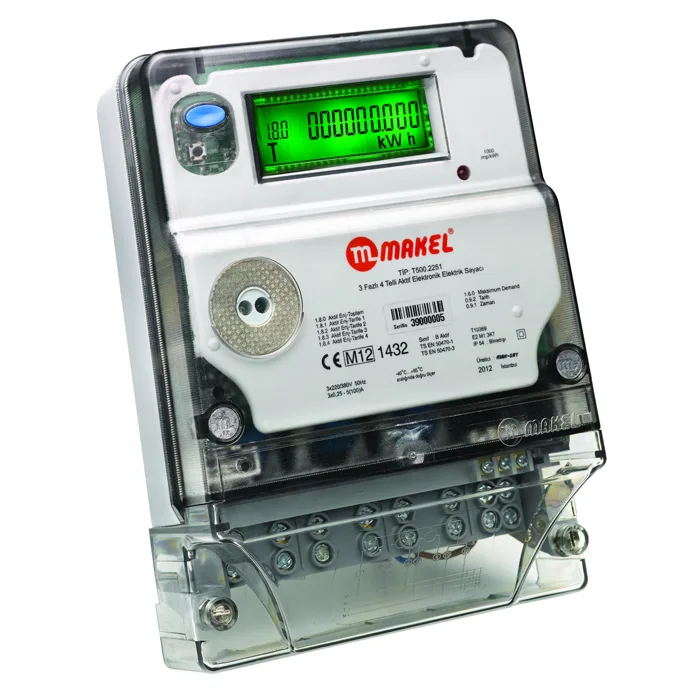
Single-Phase, Three-Phase and Combi Meters

The Makel electronic meter family includes single-phase solutions for homes and small businesses, three-phase meters for commercial installations, and combi meters for high-consumption projects where active and reactive energy are monitored together. LCD, optical-port and model-dependent RS485 options support both local and central reading architectures.

The right meter and measurement architecture for homes, commercial buildings and industrial facilities.
View Meters
Single-Phase, Three-Phase and Combi Meters

MOBILE METER COMMUNICATION

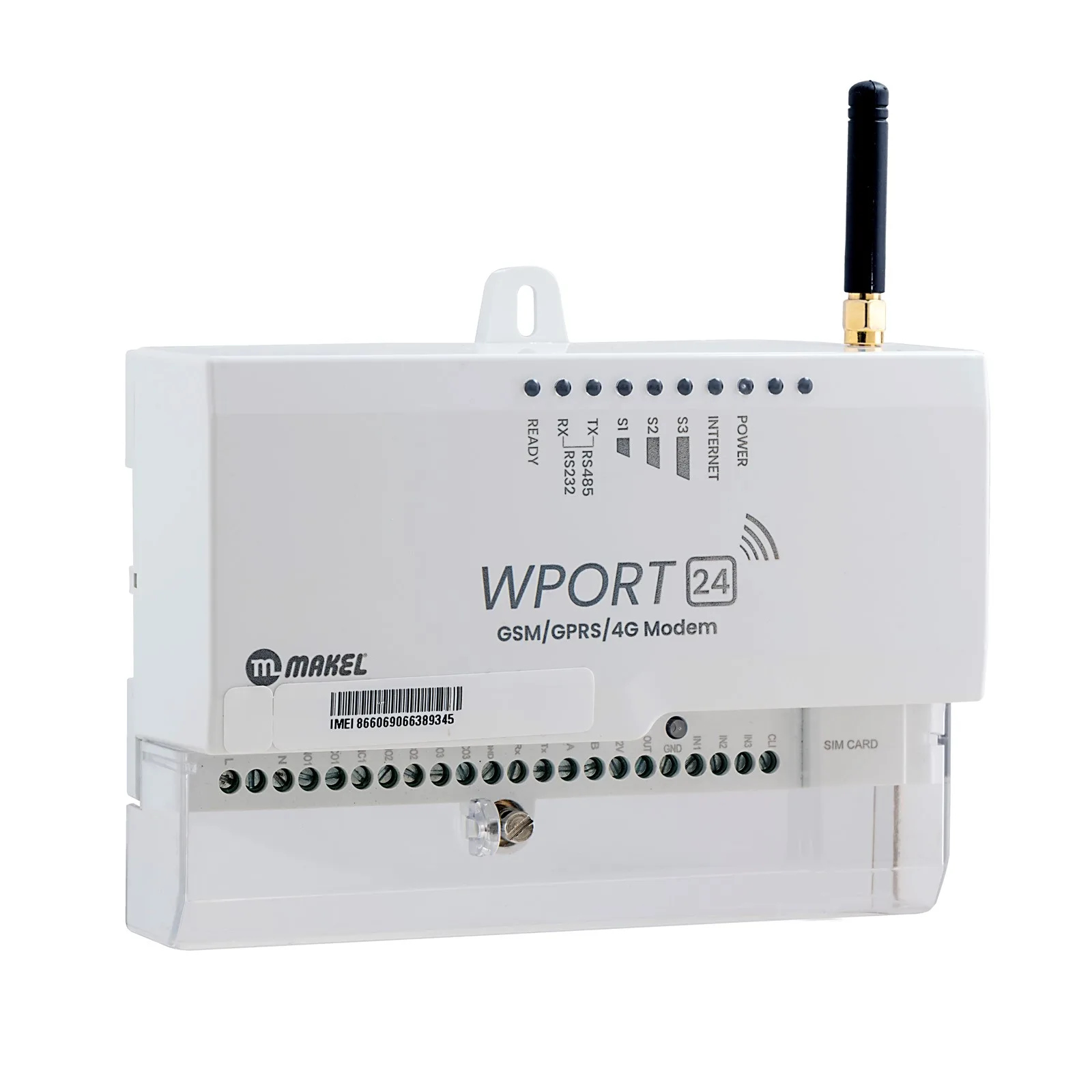
Remote Reading over 2G–4G with Wport24

Wport24 transfers data received from electronic meters through RS232 and RS485 to the central system over GSM/GPRS/LTE 2G–4G networks. Automatic 2G/4G switching, TCP/IP, remote firmware updates and data-security features provide a robust communication layer for remote sites.

Transfer meter data securely and continuously to the centre over mobile networks.
View Modems
Remote Reading over 2G–4G with Wport24

ETHERNET AND FIELD SERVICE

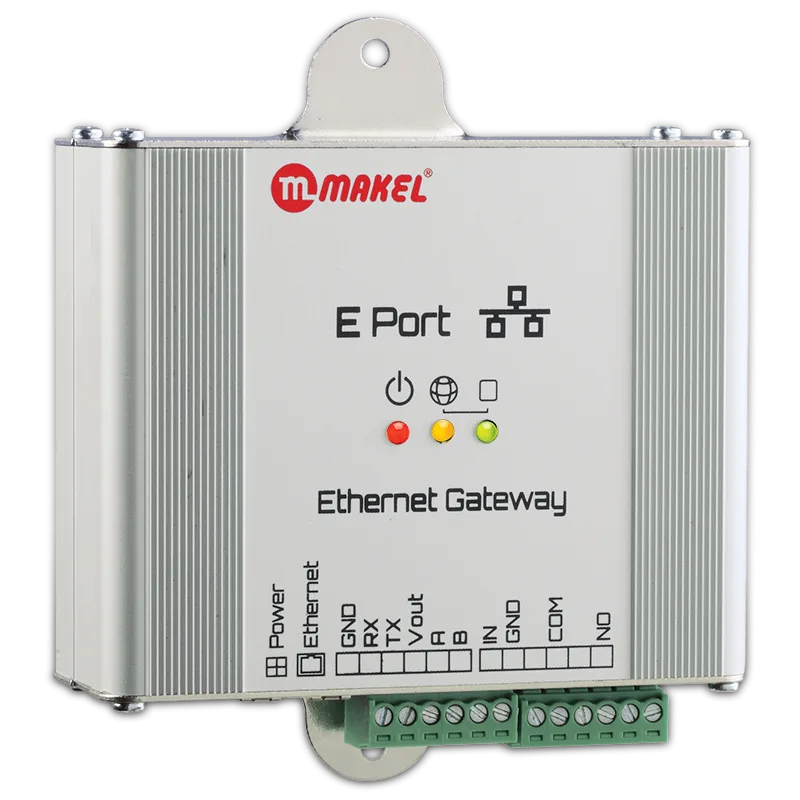
Flexible Connectivity with E Port and Optus

E Port connects meters to the IP network through RJ-45 Ethernet, RS232, RS485 and optical interfaces and integrates with USOBIM. It supports up to 255 devices on an RS485 line. The Optus USB optical reader simplifies commissioning, service and on-site meter reading.

Central Ethernet communication and fast on-site optical access in one architecture.
Communication Products
Flexible Connectivity with E Port and Optus

USOBIM METER AUTOMATION

Manage Consumption Data from One Centre

Makel USOBIM is a 100% web-based AMR/AMI platform that collects consumption, status and notification data from multiple meters at a central control point. It supports scheduled or on-demand reading, reporting, grid analysis and remote control through two-way communication where the infrastructure permits.

Integrated management from metering and reporting to field costs and energy planning.
Explore USOBIM
Manage Consumption Data from One Centre

MAKEL METERING SOLUTIONS

Makel: From Metering to Central Management

Integrate Makel metering, communication and USOBIM solutions with Aret Engineering design and commissioning support.

FREQUENTLY ASKED QUESTIONS


1. What is an electricity meter?

An electricity meter is a mechanical or electronic measuring device that records the electrical energy generated or consumed by an installation. It may be connected to the main supply in homes and workplaces, or directly to a device or system when individual consumption must be monitored.


2. What types of electricity meters are available?

Meters are classified as direct-connected or instrument-transformer-connected. Direct-connected models are used up to approximately 120 A. For higher currents, an X/5 A current-transformer connection is preferred. They are also classified as single-phase or three-phase, and as active-energy or active-reactive (combi) meters.


3. What does demand mean on an electricity meter?

Demand is the highest average active power calculated during a defined measurement interval, commonly 15 minutes, and recorded in kW. It is not instantaneous power; it helps evaluate peak power requirements and how closely consumption approaches the contracted power limit.


4. What is contracted power?

Contracted power is the maximum power accepted for use under the electricity subscription agreement. Maximum-demand records allow actual use to be compared with this limit and help ensure that the connection capacity is correctly planned.


5. How do electronic electricity meters measure energy?

Current and voltage are sampled rapidly and simultaneously through a measuring resistor or current transformer. A microcontroller calculates power from these signals and integrates it over time to determine electrical energy. Results are recorded in Wh, kWh or, for high-consumption installations, MWh.


6. What is inside an electricity meter?

A mechanical meter uses a mechanical register. An electronic meter includes an LCD, measurement circuit, processor, memory, real-time clock and, depending on the model, communication interfaces. Its display button can show total energy consumption, power, time, date and other supported parameters.


7. How is an electricity meter read?

Mechanical meters are read locally from the front register. Electronic meters can be read from the LCD and, on supported models, through the optical port with a reader such as Optus or remotely over RS485 using a suitable modem or gateway such as Wport24 or E Port. USOBIM collects consumption, status and notification data from multiple meters at a central point.


Source: Adapted from the technical explanations on Makel’s Electronic Electricity Meters page.


END-TO-END METERING WITH ARET ENGINEERING


Aret Engineering provides end-to-end planning for meter selection, measurement architecture, RS485/Ethernet/2G–4G communication, Optus field reading, Wport24/E Port integration and USOBIM commissioning across residential, commercial, hotel and industrial projects.